Panorama’s for the 20 years of Open Call
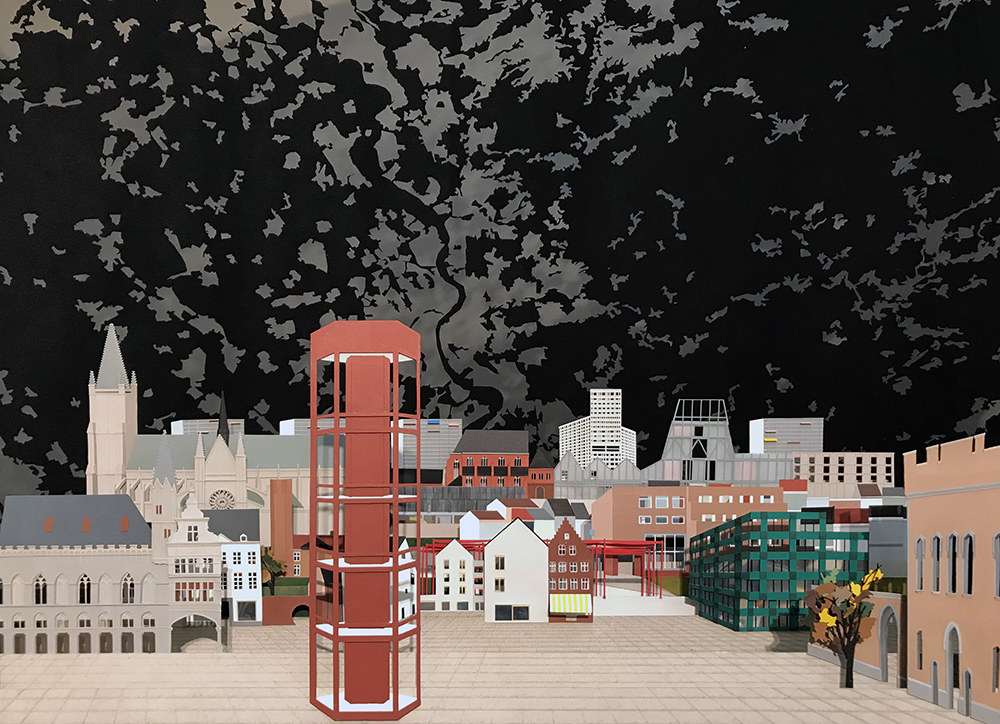

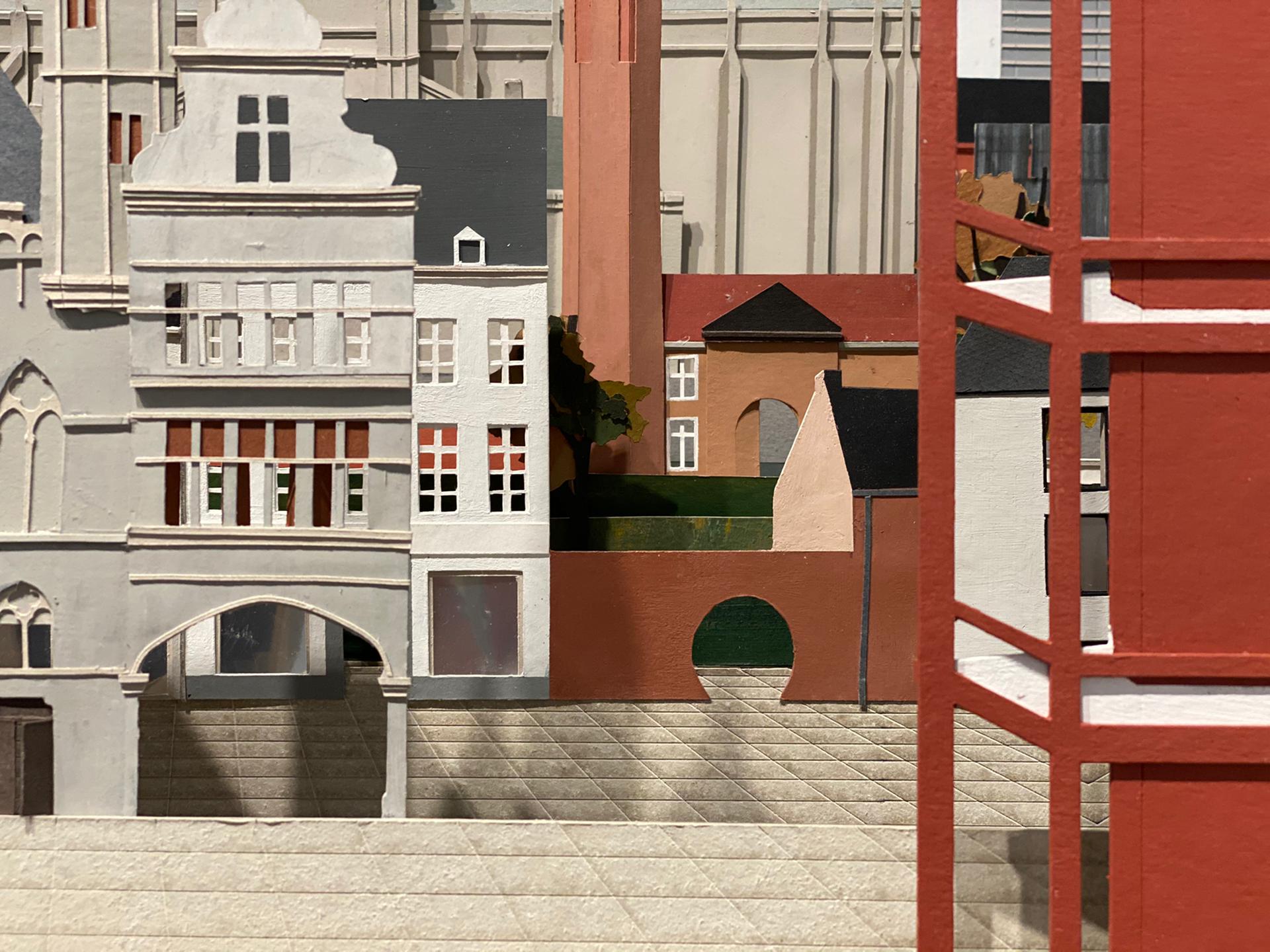

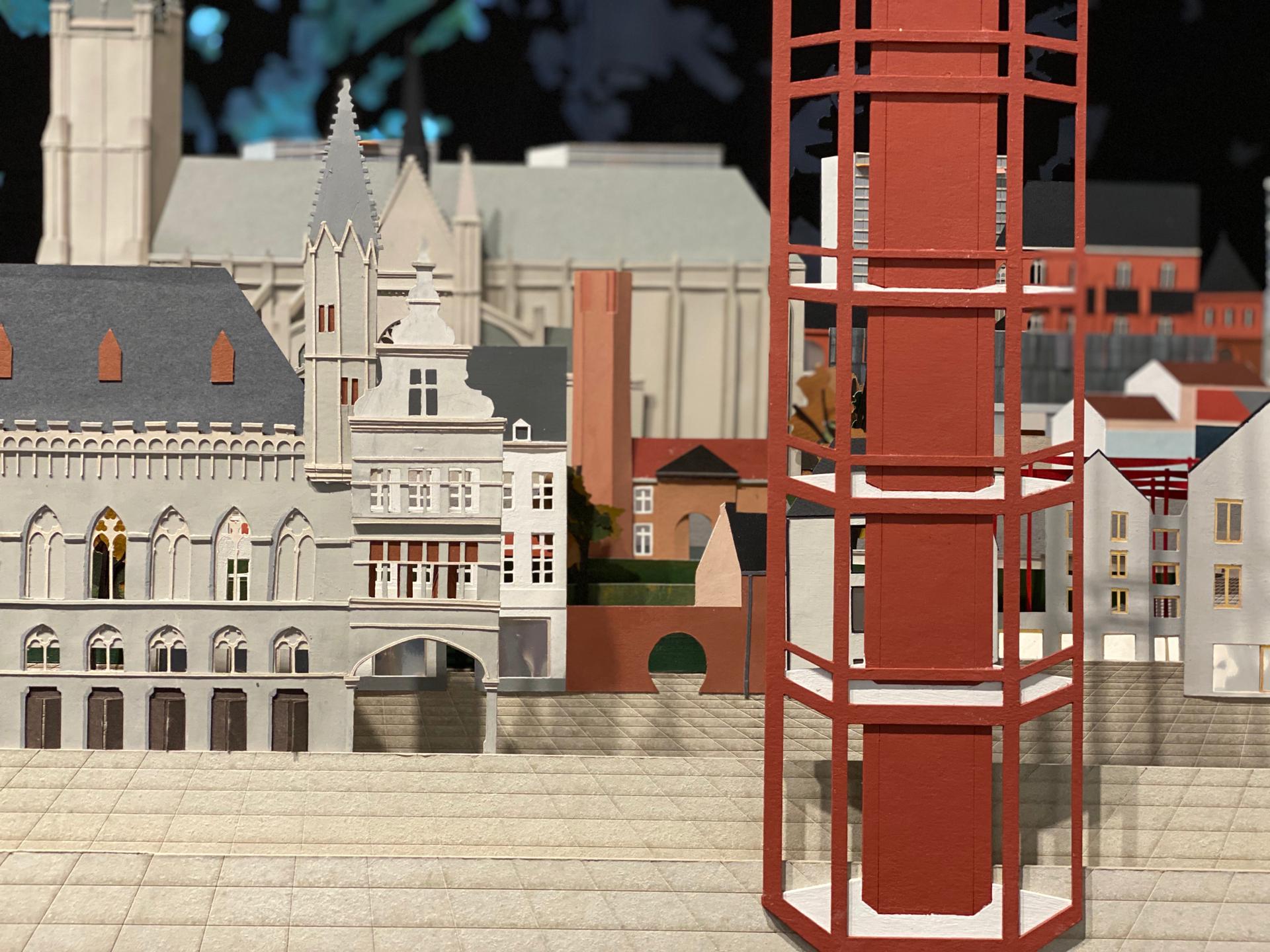




| 2019 | exhibition Open Call: 20 years of public architecture
curated by : Maarten Liefooghe and Maarten Van Den Driessche
organised by: Team Vlaams Bouwmeester
curtain: Studio Ester Goris
stands and frames: Atelier Oh
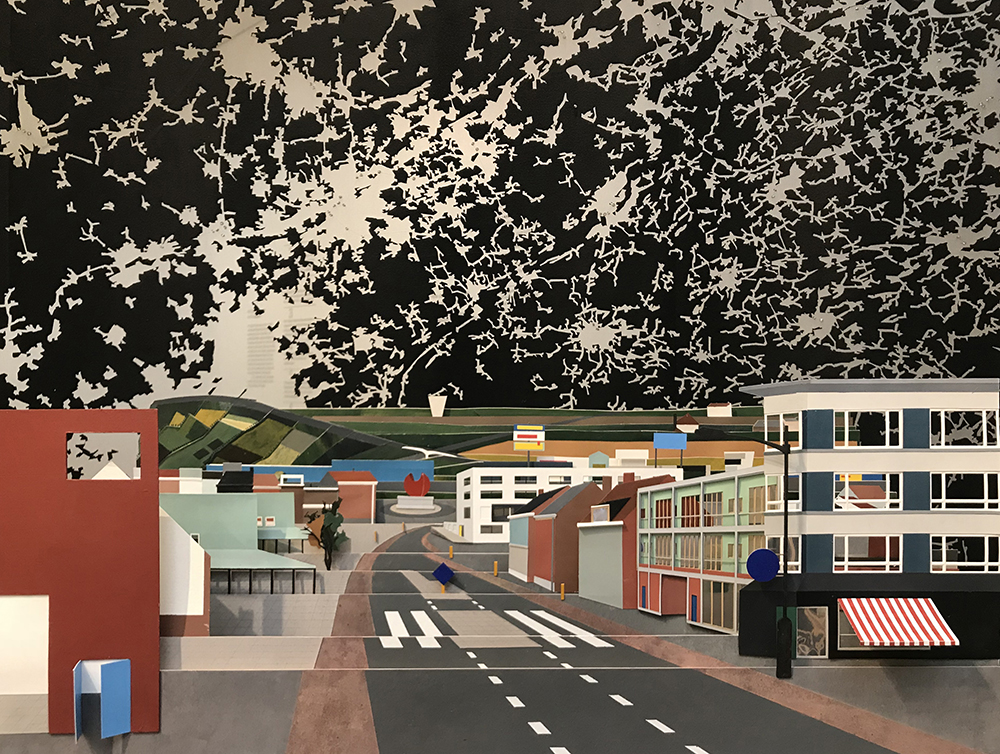
Web of thoroughfares and ribbon developments
The suburbs are growing and the city is sprawling. Larger works for infrastructural entities or urban-development plans are reorganizing the surrounding urban fabric. Flanders has a fine-meshed system of connecting roads, bordered by ribbon developments that screen off the hinterland. The car is king there. Many villages and facilities are located along a road and link up to it directly. The brick façade of the fire station in Dilbeek conceals the daily activities in the interior, but its bright red colour signals the reassuring presence of the safety services. On the outskirts of the city or just outside the residential areas, larger institutions and residential parks are often located on a green campus. The conversion of a former industrial estate into an administrative campus in Oostkamp is a specific variant of this process.
(Maarten Liefooghe, Maarten Van Den Driessche)
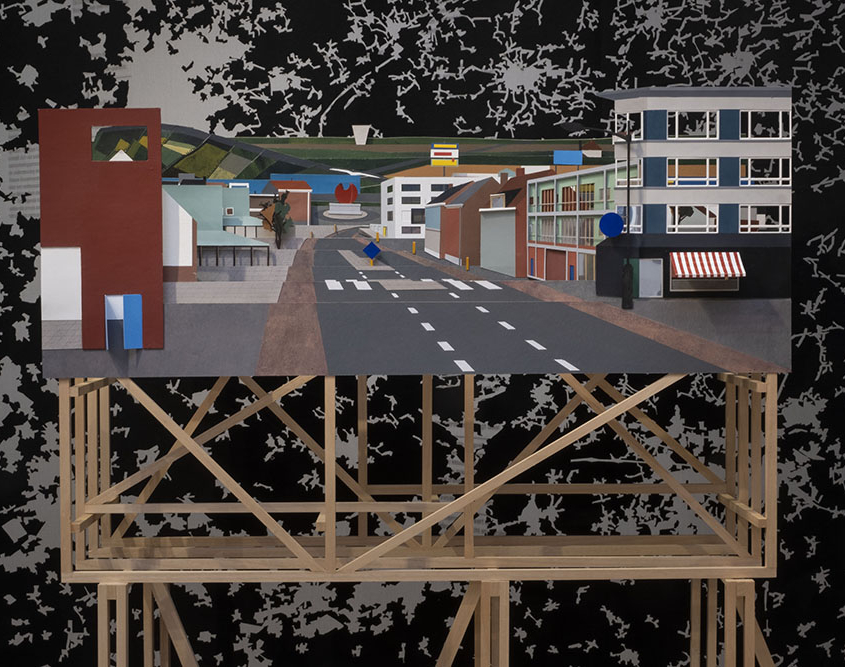
photo UGent/Pierre Putman ©Małgorzata Maria Olchowska
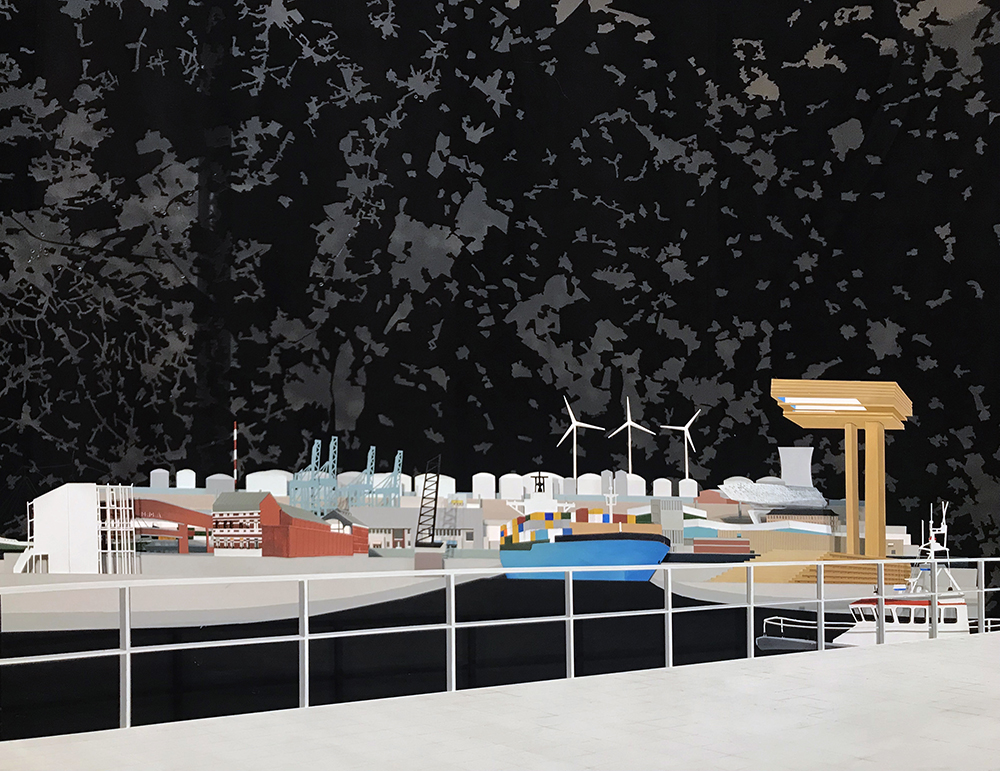
A productive delta
The countries in the delta of the Lys, Scheldt, Meuse and Rhine belong to one of the most productive and prosperous regions in the world. From the beginning of the modern age, the cities have been sanctuaries for knowledge and research. Innovative companies, extensive industrial estates, ports and efficient distribution networks traverse a productive territory. The scene shows a view of one of the docks of a port around which various industrial buildings are collected. Various public services such as the VDAB (Flemish Department of Employment Agency), the Road and Traffic services and the three major seaports have their own representative buildings, their offices and workshops. The Flemish government is also an important employer and leads its residents to work with a sophisticated service. The design for the coordination centre for the port of Antwerp towers above the industrial sites.
(Maarten Liefooghe, Maarten Van Den Driessche)

photo UGent/Pierre Putman ©Małgorzata Maria Olchowska
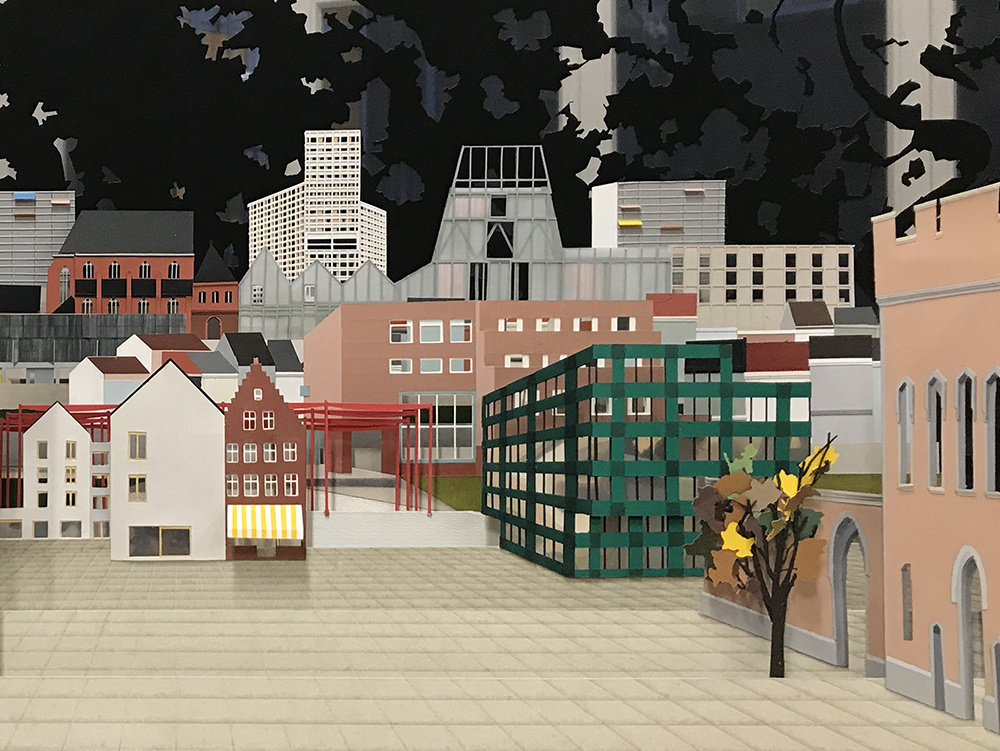
Landscape of church squares, village views and cityscapes
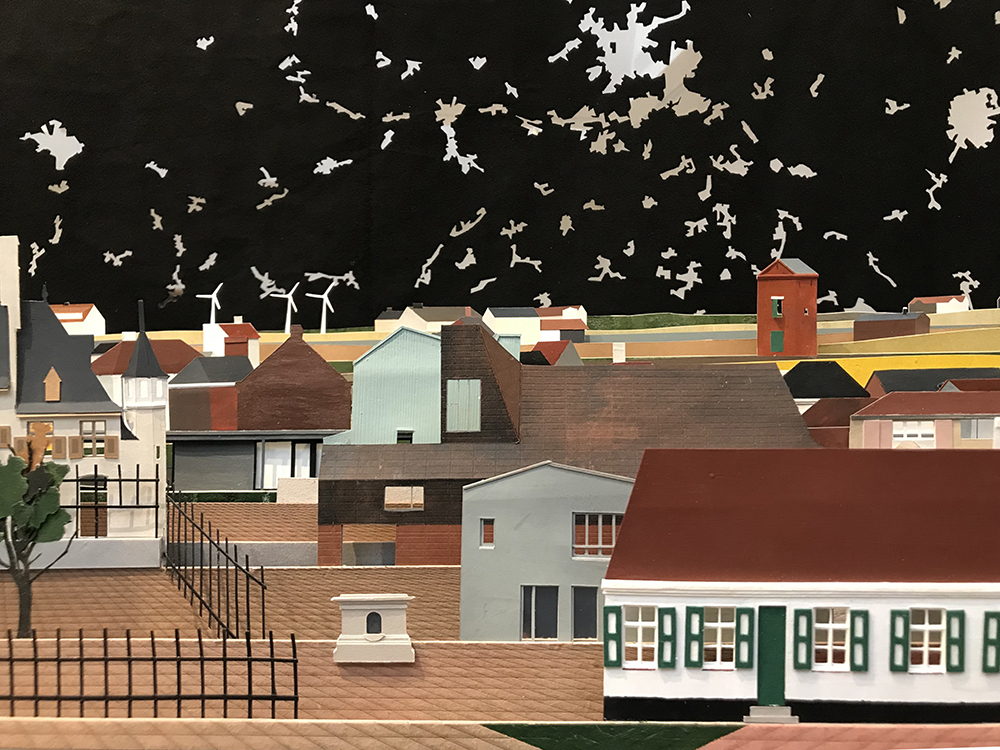
The scene depicts the picturesque qualities of an idyllic rural life. At the heart of the small, seemingly clear village centre, there still lies the church, the disused but symbolic centre of the community around which new public space is being designed, with a village square comprising a fountain and street furniture, and through the careful arrangement of the surrounding buildings. The Open Call projects collected here mainly concern community facilities: a town hall, a youth centre, the school, the fire station or police barracks, a care institution. The village organizes itself around a patchwork of squares, parks and gardens. The social housing in Gistel embraces the former village inn and encloses a garden. In the case of the town hall in Diksmuide, the fencing marks the transition between the square and an inner courtyard, while the glass galeria welcomes the residents and gives the historic belfry a contemporary appearance.
(Maarten Liefooghe, Maarten Van Den Driessche)

photo UGent/Pierre Putman ©Małgorzata Maria Olchowska
Landscape of church squares, village views and cityscapes
The scene depicts the picturesque qualities of an idyllic rural life. At the heart of the small, seemingly clear village centre, there still lies the church, the disused but symbolic centre of the community around which new public space is being designed, with a village square comprising a fountain and street furniture, and through the careful arrangement of the surrounding buildings. The Open Call projects collected here mainly concern community facilities: a town hall, a youth centre, the school, the fire station or police barracks, a care institution. The village organizes itself around a patchwork of squares, parks and gardens. The social housing in Gistel embraces the former village inn and encloses a garden. In the case of the town hall in Diksmuide, the fencing marks the transition between the square and an inner courtyard, while the glass galeria welcomes the residents and gives the historic belfry a contemporary appearance.
(Maarten Liefooghe, Maarten Van Den Driessche)

photo UGent/Pierre Putman ©Małgorzata Maria Olchowska
Remnants of polders, forests, flood-meadows and moors
Part of the original landscape structure is still visible on the edges of Flanders and in fine-meshed residual areas. These nature reserves are shreds in the densely built-up fabric. They are located in the vicinity of centres and lie between meadows and fields where agriculture is practised on an industrial scale. These areas only have limited public access and are preserved as natural habitats. The local fauna and flora are given free rein.
Many Open Call projects in this landscape have been designed as reception infrastructure for provincial or municipal leisure areas. In De Boerekreek in Sint-Laureins, for example, sports and youth camps are organized. At other places, such as the Remembrance Park in the Westhoek, remnants of important events from the past are made more ‘readable’ and accessible in the landscape.
(Maarten Liefooghe, Maarten Van Den Driessche)

photo UGent/Pierre Putman ©Małgorzata Maria Olchowska
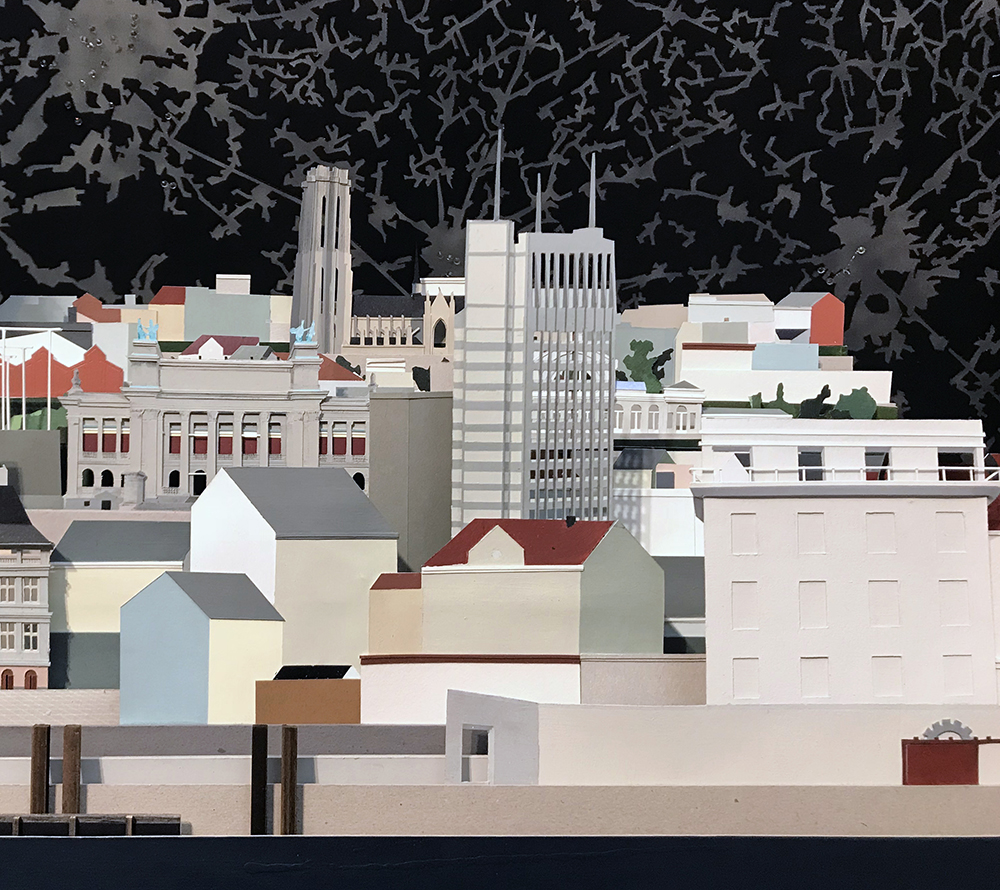
The inherited city: city of memory and remembrance
Cities are made up of layers of passed-down history. They take shape layer upon layer, generation upon generation, project upon project. It is precisely this historical accumulation that lends the city its value and meaning. Previous generations have sometimes left us very rich and meaningful buildings, monuments or urban space. Today, almost all new architectural projects are ‘conversions’ of a given context. New projects not only make use of the existing built environment or add a new layer to it: they also revitalize the heritage. Henry Van de Velde’s Book Tower in Ghent is currently undergoing a thorough renovation and is being skilfully adapted to new needs. The Kazerne Dossin in Mechelen commemorates the deportations during the Second World War and keeps the past alive while questioning it through research and exhibitions on human rights.
(Maarten Liefooghe, Maarten Van Den Driessche)

photo UGent/Pierre Putman ©Małgorzata Maria Olchowska

